
IMaTS Welcomes the Boston Cyclists Union for a Morning on Cycling Data, Street Design, and Urban Mobility
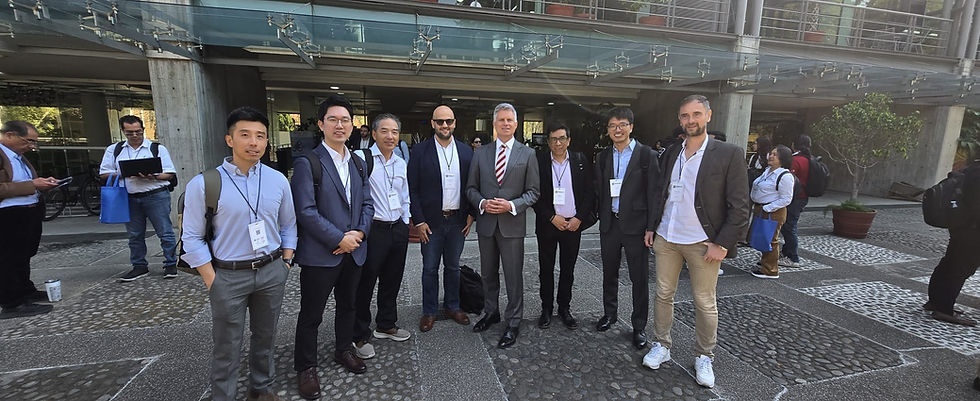
On Friday, May 29, IMaTS McGill welcomed the Boston Cyclists Union for a morning of exchange on urban cycling planning, active transportation data, protected bike lane design, and safer street infrastructure.

The visit brought together researchers, practitioners, and cycling advocates to discuss how data, design guidelines, and field experience can support better decision-making for sustainable urban mobility. The event also created an opportunity to connect technical research with real-world implementation challenges faced by cities working to improve cycling and walking conditions.
The morning began with coffee, followed by a welcome and introduction by Luis Miranda-Moreno and Tiffany Cogell, Executive Director of the Boston Cyclists Union. The program then featured two technical talks focused on complementary aspects of active transportation planning.
The first talk, delivered by David Beitel and Pierre Barban, explored the use of cycling and walking count data for year-to-year comparisons, weather analysis, and short-term forecasting. Their presentation highlighted how data-driven approaches can help planners and researchers better understand travel behavior, seasonal patterns, and the factors that influence active transportation demand.

The second talk, presented by William Ho-Luong, focused on protected bike lane design guidelines and practical lessons from real project examples. The discussion addressed both design principles and implementation challenges, emphasizing the importance of translating planning guidelines into safe, context-sensitive infrastructure.

William Ho-Luong delivers an engaging presentation to an attentive audience, discussing urban design strategies in a classroom setting. Following the presentations, participants formed groups for a Montréal bike tour. The tour offered a chance to connect the morning’s discussions with on-the-ground observations of cycling infrastructure, street design, and mobility conditions in the city.
This exchange reflects IMaTS McGill’s commitment to bridging research, practice, and community engagement in the field of sustainable transportation. Collaborations with organizations such as the Boston Cyclists Union help strengthen the connection between academic research and the practical work of building safer, more accessible, and more bike-friendly cities.

IMaTS thanks the Boston Cyclists Union, the speakers, and all participants for contributing to a productive and engaging visit.


Comments