
IMaTS at ConTraLogMexCan2025: Building a Data-Driven Bridge Between Mexico and Canada
The first Congreso de Transporte y Logística (ConTraLog_MexCan2025) in Mexico City marked an important moment for transportation research and collaboration between Mexico and Canada—and the IMaTS Lab was right in the middle of it.
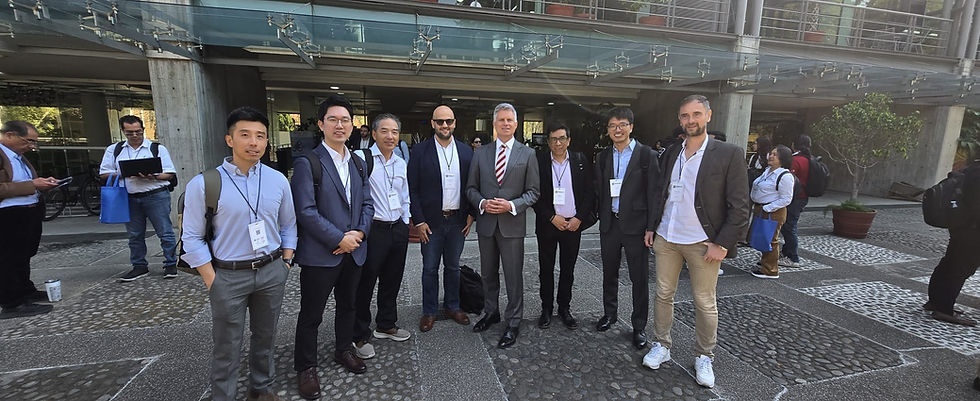
Hosted in Mexico City, the conference brought together researchers, policymakers, and industry leaders to discuss how data, technology, and innovation can transform transportation and logistics systems. For IMaTS, it was a chance to showcase ongoing research, strengthen partnerships, and help shape a shared vision for safer and more sustainable mobility across both countries.
IMaTS Contributions: AI, Safety, and Sustainable Mobility
Over the course of the event, four IMaTS postdoctoral researchers presented their work:
Yubo Jiao
Jônatas Augusto Manzolli
Mingjian Wu
Alejandro Pérez Villaseñor
Their presentations focused on data-driven and AI-enabled approaches to transportation, with a strong emphasis on road safety and sustainable mobility. Among the topics discussed were:
The use of large language models (LLMs) to support road safety analysis,
Exploratory assessment of traffic conflicts using rich, real-world datasets, and
Methods and tools to identify and flag high-risk situations in complex urban environments.
These projects reflect a broader IMaTS vision: combining advanced analytics, AI, and field data to build practical tools that can be deployed by cities, agencies, and practitioners—not just stay as theory on paper.
High-Level Dialogue: Policy, Diplomacy, and Practice
ConTraLog_MexCan2025 was not only about research—it was also about strategy and diplomacy.
Participants heard from Mexico’s Minister of Transportation, as well as:
Cameron MacKay, Ambassador of Canada to Mexico, and
Miguel Gonzalez, Trade Commissioner at the Embassy of Canada to Mexico.
Their interventions underlined the importance of Mexico–Canada collaboration in transportation and logistics, particularly in areas such as safety, electrification, infrastructure planning, and supply chains.
This mix of academic, technical, and diplomatic perspectives is exactly where IMaTS work lives: at the intersection of science, policy, and implementation.

Strengthening Academic and Professional Networks
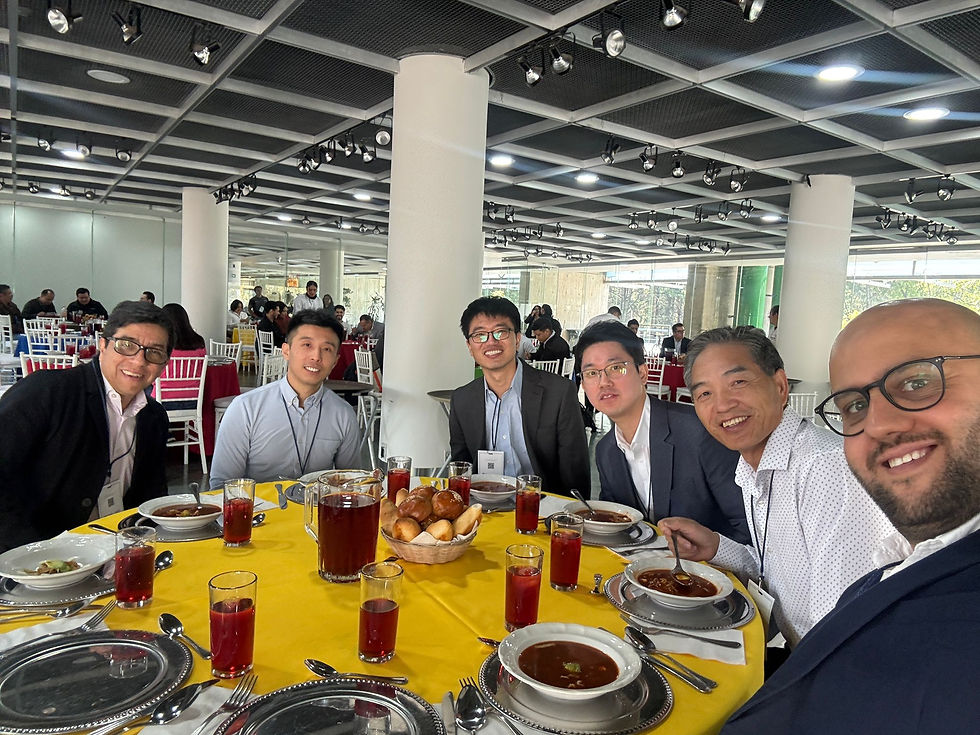
The conference also provided a rich environment to reconnect and coordinate with transportation experts from leading institutions. IMaTS team members had the opportunity to interact with, among others:
Prof. Francesco Ciari
Prof. Tae Kwon
Prof. Lijun Sun
Prof. Liping Fu
These conversations help align research agendas, open the door to future joint projects, and ensure that new methods—like LLM-based safety tools—are designed with real-world deployment in mind.
Acknowledging the Organizers and Partners
The IMaTS Lab extends its sincere thanks to those who made ConTraLog_MexCan2025 possible.
We are especially grateful to:
Prof. Luis Miranda-Moreno, whose leadership has been central in building this bridge between Canadian and Mexican institutions; and
Angélica Lozano, along with the broader organizing teams in both countries, for creating such a productive and welcoming environment for exchange.
Their efforts have turned ConTraLog_MexCan2025 into more than a conference—it is the foundation for an ongoing ecosystem of collaboration.
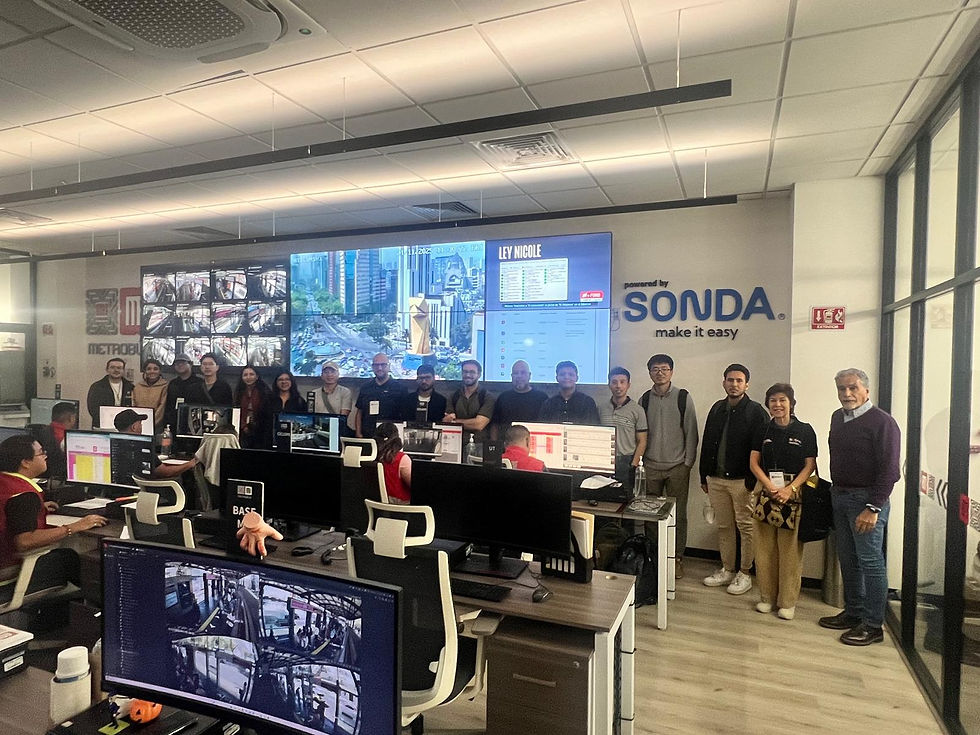
Looking Ahead: A Shared Agenda for Safer, Smarter Mobility
For IMaTS, ConTraLog_MexCan2025 is not an endpoint, but a starting point.
The lab looks forward to:
Deepening Mexico–Canada partnerships in transportation and logistics,
Scaling up AI- and data-driven tools for road safety and sustainable mobility, and
Co-developing practical solutions that cities and agencies can use to reduce crashes, emissions, and congestion.

As transportation systems evolve under the pressures of urbanization, climate change, and technological disruption, events like ConTraLog_MexCan2025 show how international collaboration can accelerate the shift toward safer, smarter, and more equitable mobility systems.
IMaTS is proud to contribute to this effort—and this is just the beginning.


Comments